What is it?
25th frame is a term that originated in the world of cinema and television. It refers to a technique where an additional frame (or multiple frames) is inserted into a film or video sequence that is not perceived by the viewer’s conscious mind.
Most often, we are talking about frames that are shown so quickly that the eye does not register them, but the subconscious mind can “catch” them

IDEA
is that in a second a person can perceive only 24 frames, but at some point there is an additional — the very “25th”. It is assumed that this frame, containing any message, affects directly the subconscious, without falling “on the eyes”.
How did the phenomenon appear?
The idea was widely spread thanks to the work of James Vickery, who discovered a psychological effect in 1957, and to prove it, he inserted the phrases “Drink Coca-Cola” and “Eat popcorn” into movies, which increased the sales of Coca-Cola by 18.1% and popcorn by 57.8%.
After that, James patented the idea of the 25th frame.
MYTH OR REALITY?
Despite the incredibly beautiful idea of the “25th” frame, in 1958, the American Psychological Association refuted the data about conducting the experiment.
In 1962, James personally confirmed that the data on increased product sales had been fabricated.
After Vickery’s speech in which he admitted to lying, experiments were conducted in a similar way
Scientists from the University of Nijmegen in the Netherlands, BBC research, and a 2012 study all agreed on the results that the differences between the groups that received and did not receive the ad were small or were obtained under certain conditions.
What is in the end?
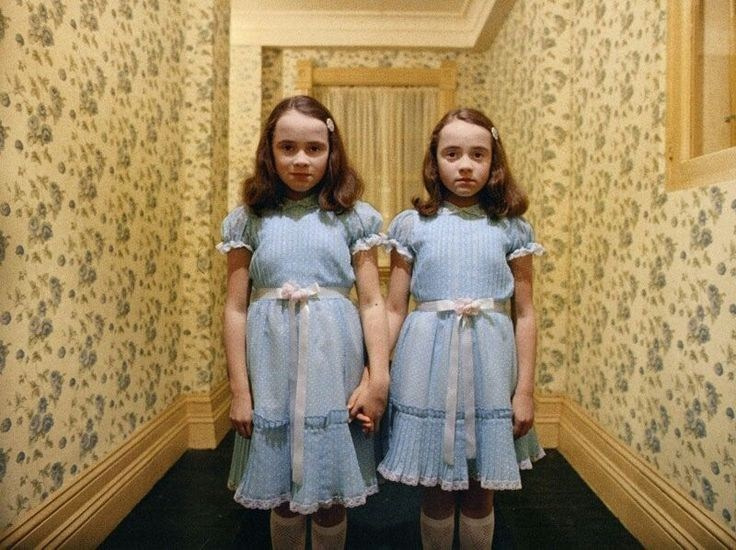
The influence on people in this way has already been refuted, but if you really like James' idea, then continue watching the movies “Shining”, “Fight Club” and others, where, according to one of the theories, there is also a 25th frame!

MORE ARTICLES IN OUR TGC
Cinema podcast “TEENS' FILMS”


What are the storyboards and why they important?

