Why does AI becoming more common?
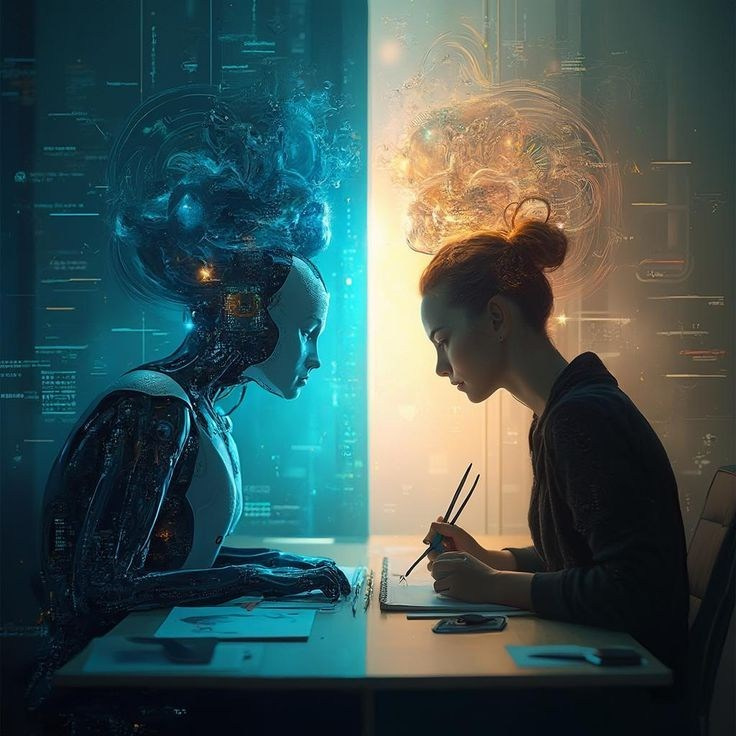
AI is transforming film production, business models, and creative professions, introducing hybrid methods. New studios are using AI for social media content, distribution, and monetization.
Demand for AI specialists is growing. A hybrid approach is becoming the standard, reducing costs but requiring expertise. AI expands authorship rather than replaces it, providing new tools.

The film industry, always at the forefront of technology, sees AI as a tool for speeding up processes and balancing technology with artistic excellence.
Examples of AI use:
Screenwriting: Analyzing scripts for commercial potential (ScriptBook, 20th Century Fox, Warner Bros.).
Production: Visual effects (Marvel, FaceDirector, Deepfake), trailer creation.
Postproduction: Automation (Adobe Sensei), audio library navigation (Lucasfilm).
Marketing: Personalization (Netflix), analytics (Warner Bros., “Aquaman”), promo bots.
The Future of AI Films:
Artificial intelligence can select films for each viewer, using psychographics and neurolinguistics to understand preferences. This allows studios to personalize promotions. In the future, AI algorithms will be able to suggest film themes based on social trends.
AI Controversies:
Some experts believe AI won’t be able to replace human creativity, while others fear for their jobs. These concerns led to the Hollywood strike in 2023. Nevertheless, 48% of film professionals use artificial intelligence in their work.
AI is a tool with the potential for both progress and regression. It requires conscious use, respect for creativity, and concern for the future of the profession, maintaining a balance between technology and artistic value.
AI Controversies:
Some experts believe AI won’t be able to replace human creativity, while others fear for their jobs. These concerns led to the Hollywood strike in 2023. Nevertheless, 48% of film professionals use artificial intelligence in their work.
AI is a tool with the potential for both progress and regression. It requires conscious use, respect for creativity, and concern for the future of the profession, maintaining a balance between technology and artistic value.
Article’s author:
Ksenia Vorobeva
Cinema podcast “TEENS' FILMS”

What are the storyboards and why they important?


Podcast episodes

