Music in film is more than just background noise, but a powerful tool that shapes the viewer’s perception of the film.
It deepens understanding of the plot, sets the emotional tone, establishes a connection with the characters and greatly enhances the impression of what is happening.
The soundtrack becomes an integral part of a film, shaping our attitude towards the events and the characters.

Music = catalyst for emotions.
Music has a unique ability to impact the senses, transforming a film into a multi-layered and emotionally charged work. Without music, many scenes would be deprived of their depth, and key moments would lose their poignancy, leaving the viewer captivated.
The soundtrack smooths out emotional transitions, whether moments of joy and delight or scenes of tragedy and horror, allowing the composer to convey his intentions and feelings, revealing the plot in greater depth.
Music is a symbol and a sign.
Music in film often becomes a symbol, linking certain themes or characters with certain musical motifs.
This relationship creates a “sound code” that the viewer associates with certain characters and events.
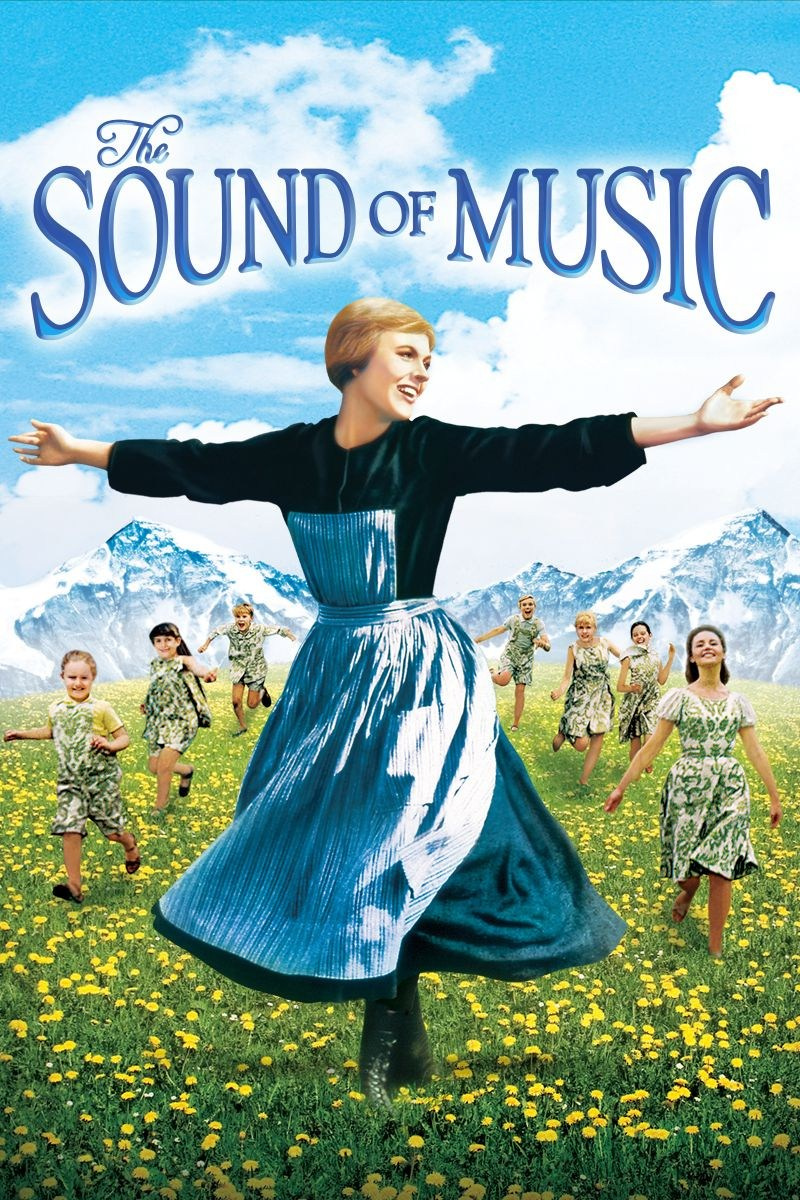
In addition to conveying feelings, music emphasizes the changes in the internal state of the characters, which is especially noticeable in superhero films, where the musical themes reflect their internal conflicts.
Thus, music serves as a link between the film and the viewer, creating a multi-layered perception.
Music is a tool for creating atmosphere.
Music creates and enhances atmosphere, immersing the viewer in the world of the film, conveying the spirit of time and place, and setting the emotional tone. Tense scenes are often accompanied by suspenseful compositions that create anxiety, while comedic or romantic scenes are accompanied by light melodies that emphasize the positive mood.
In horror films, music plays a key role, actively contributing to the creation of fear through harsh sound effects and rising timbres that foreshadow terrifying events.
Music is a vital element of a film’s structure.
Music goes beyond mere accompaniment, structuring the film, maintaining tempo and setting accents. It acts as an “invisible director, ” helping to transition from one storyline to another without disrupting the overall flow of events. This is especially noticeable in films with strong thematic lines, where the musical score enhances their significance.
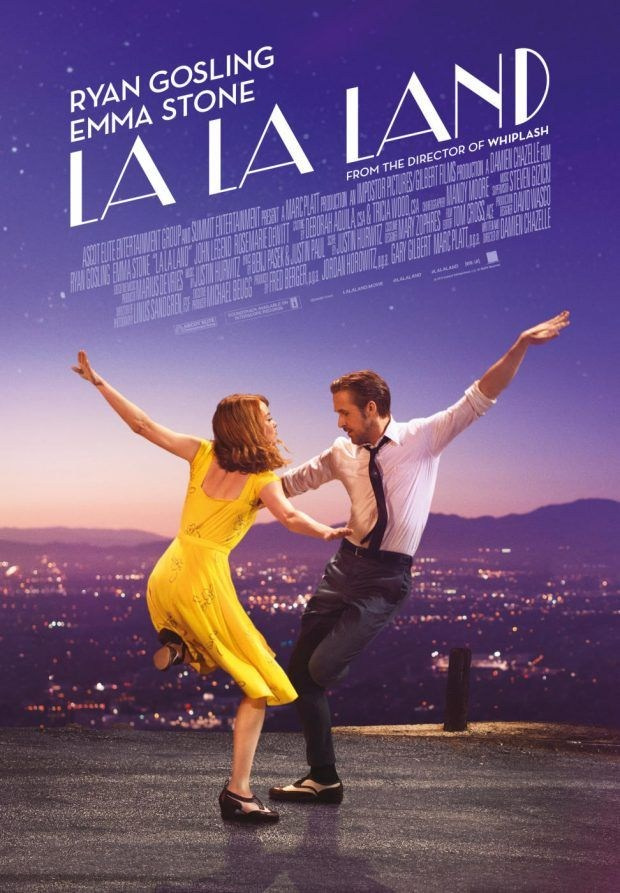
In conclusion
film music is much more than just sound effects. It is a vital tool for creating atmosphere, conveying emotion, strengthening the plot and adding complexity to a film. Music affects the viewer on a subconscious level, creating auditory and emotional images, enhancing the impact of the painting and deepening the perception of events!
Article’s author:
Ksenia Vorobeva
Cinema podcast “TEENS' FILMS”


What are the storyboards and why they important?


Podcast episodes
